Best San Diego Home Remodeling Services for Custom Remodeling Projects
Transform Your Space: Leading Home Remodeling Tips From Experienced Builders
Home remodeling can be a complex endeavor, often fraught with obstacles. Expert contractors emphasize the significance of setting defined goals and a realistic financial plan. Selecting the appropriate experts is essential for implementing a vision successfully. Additionally, aesthetic choices should focus on practicality and flow. With these check article foundational components in mind, one can navigate the renovation process more smoothly. But what particular strategies can guarantee a thriving transformation?
Clarify Your Intentions and Priorities
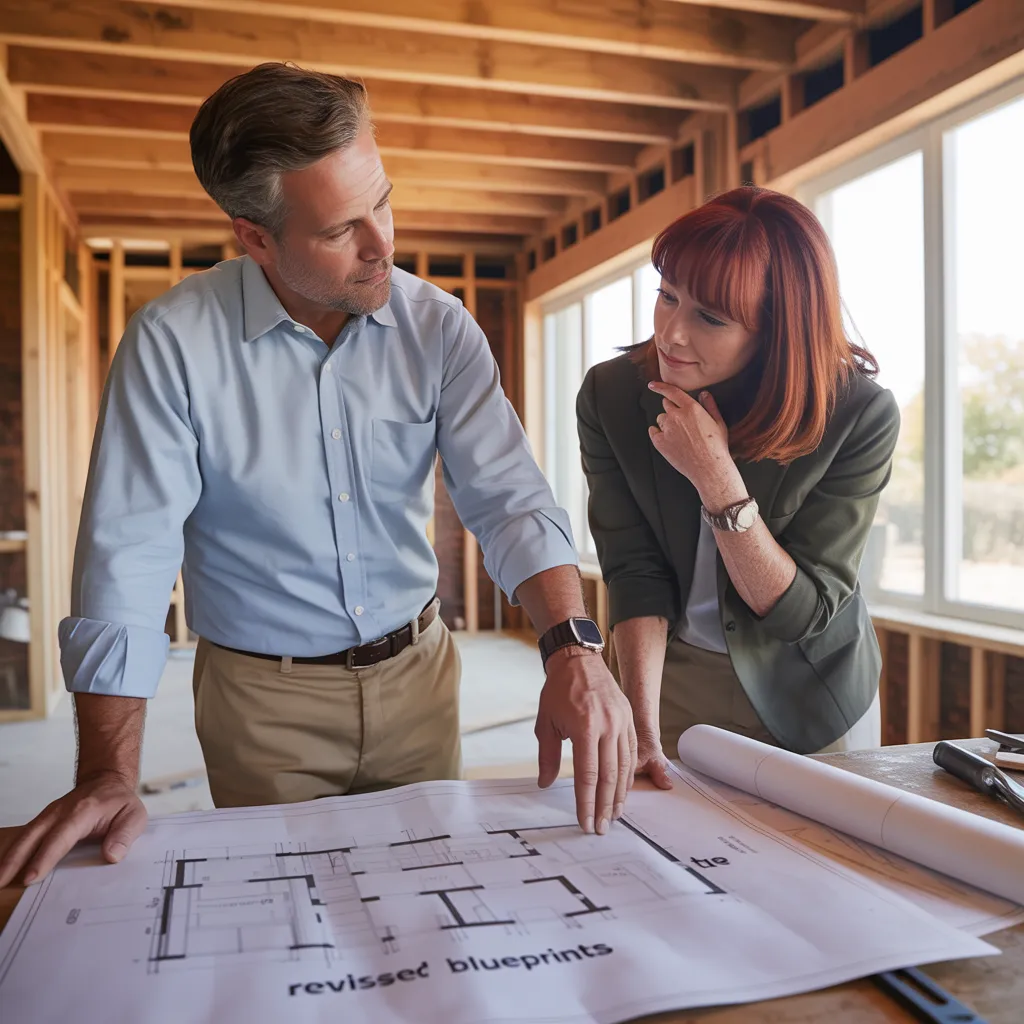
Defining goals and priorities is crucial in the home remodeling process. This initial step establishes a distinct direction for the project, directing all following decisions. Homeowners must assess their needs, taking into account factors such as practicality, visual appeal, and future worth. Determining specific objectives, such as improving room capacity for social occasions or increasing energy conservation, allows for a focused approach.
Prioritization is equally essential. It assists in differentiating between must-have features and those that can be adjusted or postponed. By categorizing desires based on importance, homeowners can guarantee that their remodeling efforts align with their overall values and dreams.
Furthermore, well-defined objectives can aid in strong dialogue with contractors and designers, ensuring that all parties are on the same page. Ultimately, careful consideration at this stage fosters a smoother remodeling experience, minimizing potential setbacks and enabling a successful overhaul of the living space.
Create a Realistic Financial Structure
Developing a practical budget is an essential component of any home renovation undertaking. It functions as a foundation for making decisions and helps avoid overspending. Homeowners should start by assessing their financial situation, encompassing funds and potential financing options. This assessment allows them to establish a budget that aligns with their goals and preferences.

Next, it is vital to set up a thorough cost breakdown, covering materials, labor, permits, and surprise expenses. Experts advise dedicating an additional 10-20% of the funds for reserve funds, since unforeseen difficulties may surface during remodeling.
Additionally, homeowners should review average costs for their specific projects to verify their budget is in line with market rates. By maintaining honesty and elasticity within the budget, homeowners can effectively manage their home improvement projects while achieving their desired outcomes. Establishing a realistic budget ultimately cultivates a less complicated renovation experience and strengthens overall satisfaction.
Determine the Perfect Service Providers
Choosing the right specialists is important for the completion of any home renovation project. Residents should begin by exploring local construction companies, architects, and designers to find those with excellent reputations and relevant experience. Examining reviews, portfolios, and references can provide insight into their work excellence and reliability.
It's also crucial to guarantee that selected professionals are licensed and insured, which protects homeowners from potential liabilities. Engaging in thorough interviews will help assess their communication style and capacity to match with the homeowner's goals.
Defining transparent requirements with respect to timelines, financial allocations, and deliverables is crucial to avoid misunderstandings. Proprietors should seek professionals who are not only experienced but also demonstrate a commitment to collaboration and transparency. Ultimately, the optimal group will not only execute the intention competently but also enhance the remodeling experience, promoting sureness throughout the endeavor.
Framework for Operation and Flow
In home remodeling, considering proper layout and movement is essential for designing a harmonious living space. Effective space utilization optimizes every square foot, while guaranteeing easy navigation enhances daily activities. Together, these elements create a well-organized and inviting environment.
Improve Space Usage
When commencing a home renovation project, emphasizing space utilization can substantially enhance both functionality and movement. Professional builders emphasize the significance of assessing each area to identify its main purpose. This involves incorporating versatile furniture, such as collapsible tables or integrated storage, which can significantly optimize limited spaces. Additionally, open floor layouts can establish a seamless shift between rooms, enabling for a more spacious feel. Thoughtful positioning of furniture can also improve the overall layout, guaranteeing that each room fulfills its planned function without congestion. By thoughtfully organizing the movement of traffic and accessibility, homeowners can create a balanced environment that optimizes the use of space while maintaining a attractive aesthetic. Ultimately, thoughtful design can convert any area into a more efficient living space.
Make Movement Easy
Smart flow within a home is vital for improving everyday functionality and movement. When starting a renovation project, it is essential to consider the configuration and accessibility of spaces. Open floor plans often promote fluid passage, permitting occupants to move between rooms with comfort. Thoughtful positioning of doorways, furniture, and fixtures can further improve circulation, reducing obstacles. Designers propose sustaining clear pathways, ideally at least 36 inches wide, to guarantee comfortable navigation for all users, including those with mobility challenges. In addition, deliberate zoning of spaces—such as separating living areas from workspaces—can upgrade functionality. By prioritizing ease of movement, homeowners can build a serene environment that aids daily activities and fosters a sense of order throughout the space.
Get the Most of Your Space With Smart Design
Strategic approach plays an important role in maximizing space within a home, as it allows for both performance and aesthetics to coexist harmoniously. Seasoned builders propose using open-concept designs to create a sense of openness, dismantling unnecessary barriers between rooms. Multi-functional furnishings, such as a sleeper sofa or a storage ottoman, can also help to maximize limited areas, providing usefulness without compromising style.
Incorporating vertical storage solutions is another smart approach, as storage units that extend to the ceiling draw the eye upward, enhancing the perception of height. Additionally, deliberate mirror placement can reflect light and create an illusion of depth, causing spaces to look bigger. Natural light is essential; large windows or skylights can brighten spaces while enhancing the overall ambiance. Thoughtful layout and design considerations ultimately transform cramped areas into welcoming, practical spaces that meet contemporary lifestyle requirements.|Using vertical storage solutions represents another effective strategy, as shelves and cabinets that extend upward pull your focus up, improving the sense of height. Furthermore, deliberate mirror placement can bounce light around and produce a sense of depth, making areas appear more spacious. Natural light is important; expansive windows or skylights can illuminate interiors while enhancing the ambient quality. Strategic layout and design choices ultimately convert confined areas into attractive, useful environments that address modern lifestyle needs.|Implementing vertical storage solutions serves as another useful tactic, as storage units that climb to the ceiling attract the eye upward, enhancing the sense of height. In addition, strategic mirror placement can disperse light and develop an illusion of depth, enlarging the appearance of rooms. Sunlight proves necessary; sizable windows or skylights can light up interiors while boosting the ambient quality. Deliberate design and layout planning ultimately reshape limited spaces into charming, useful settings that fulfill contemporary needs.|Adopting tall storage arrangements constitutes another successful method, as storage units and shelves that rise to the ceiling direct attention upward, heightening the perception of space. Concurrently, deliberate mirror application can diffuse illumination and fashion a sense of depth, amplifying how expansive areas appear. Ambient light is paramount; grand windows or roof openings can enhance interior brightness while improving the overall aesthetic. Strategic layout and design approaches fundamentally revolutionize confined spaces into charming, practical domains that serve modern dwelling needs.
Choose Premium Materials and Finishes
Choosing excellent finishes and materials is vital in home remodeling, as it directly impacts both permanence and aesthetic appeal. Expert tradespeople propose opting for materials that not only uplift the visual presentation of the space but also stand up to the test of time. For instance, hardwood flooring offers longevity and warmth, while superior countertops lift kitchen aesthetics and functionality.
Also, finishes including paint and fixtures ought to be picked with deliberation. Picking paint with superior durability can avert deterioration, while premium-quality fixtures can offer an elegant look that complements the overall design. In addition, it is recommended to research sustainable choices that advance a healthier living environment. Spending on quality materials and finishes pays dividends, as it can increase property value and cut maintenance expenses over time. By focusing on these factors, homeowners can establish a lasting and beautiful space that addresses their needs.
Don't Overlook Light fixtures
Lighting acts as an important factor in home remodeling, often influencing both aesthetics and functionality. Employing multiple light sources can enhance the ambiance of a space, while maximizing daylight can make rooms feel more spacious and inviting. These considerations are vital for creating a thoughtfully planned space that meets both tangible and intangible needs.
Layered Illumination Methods
During a remodel, many homeowners prioritize aesthetics and functionality but frequently fail to recognize the vital role of layered lighting in crafting a warm atmosphere. Experts in building propose the use of three lighting types: ambient, task, and accent. Ambient lighting provides overall light, setting the base layer for rooms. Task lighting, including under-cabinet lights or reading lamps, provides targeted light for particular tasks. Accent lighting emphasizes architectural details or art pieces, adding depth and appeal. Combining these types of lighting allows homeowners to attain a harmonious and flexible environment. Moreover, smart lighting, dimmers, and adjustable fixtures allow customization so the space can accommodate different moods and occasions. Such a careful lighting strategy improves both the usability and atmosphere of the space.
Optimizing Natural Light
Natural light plays an important role in improving the overall atmosphere of a space, as it not only illuminates rooms but also contributes to the health and well-being of those inside. Experienced builders recommend maximizing natural light by thoughtful window placement, ensuring that interiors get ample sunlight throughout the day. Using larger windows or glass doors can establish a fluid connection with the outdoors, further fostering openness. Additionally, applying mirrored surfaces, like mirrors and light-colored walls, can amplify the impact of natural light. Also, consider the position of the home; south-facing windows tend to receive more sunlight. Lastly, keeping views clear will improve the natural light experience, making interiors feel more inviting and welcoming.
Remain Versatile and Adaptable Throughout the Process
The home remodeling undertaking frequently brings forth unanticipated challenges, requiring residents to stay open-minded and accommodating. Changes can arise due to budget constraints, unexpected structural issues, or delays in material delivery. Such scenarios can be exasperating, but maintaining a constructive attitude permits for creative solutions and substitute methods.
Homeowners could consider the likelihood of reevaluating design plans or adjusting timelines. Open communication with contractors is paramount; raising concerns can lead to cooperative problem-solving. Moreover, being amenable to guidance from builders and designers can maximize the overall quality of the project.
Flexibility also includes being willing to compromise on certain aspects, which can lead to discovering unexpected benefits. Ultimately, adjusting to new circumstances can result in a more satisfying and successful remodeling experience, transforming not just the space but also the homeowner's viewpoint on the process itself.
Standard Queries Asked Often
How Much Time Does a Standard Home Remodeling Project Take?
A typical home renovation initiative can last anywhere from a few weeks to multiple months, contingent on the breadth of work, home's size, and contractor accessibility. Planning and unexpected delays may stretch timelines.
Which Permits Are Necessary for Home Renovations?
Home renovation typically demands authorizations for structural modifications, electrical installations, plumbing changes, and sometimes for cosmetic updates. Specific rules vary by location, so consulting local building officials is crucial for ensuring compliance with regulations.
In What Ways Can I Maximize My Home's Resale Value with Remodeling?
To enhance a home's resale value through remodeling, one should emphasize kitchen upgrades, bathroom upgrades, energy-saving upgrades, and enhanced curb appeal, as these investments typically produce major gains in the real estate market.
What Frequent Mistakes Should You Avoid During Remodeling?
Standard problems when renovation feature miscalculating expenses, neglecting proper planning, disregarding permits, selecting temporary aesthetics over permanent designs, and failing to communicate effectively with contractors. Each misstep can lead to expensive interruptions and poor results.
What Ways Can I Keep Myself Under My Budget When Unexpected Costs Occur?
To keep within budget during unanticipated charges, one should focus on a emergency reserve, carefully monitor expenses, adjust project scope if essential, speak frankly with contractors, and explore alternative materials to lessen financial strain.